
The challenge of obtaining an efficient and definitive diagnosis in horses displaying neurologic disease is compounded by often ambiguous clinical signs that can mimic other issues and derive from both infectious and non-infectious causes.
Acquire a gold standard diagnostic protocol while ramping up your ability to recognize the most common differential diagnoses and implement diagnostic and treatment plans in the field with intensive, hands-on training at the AAEP’s NeuroXP.
Important Details
- This intensive 2-day course will be held September 11-12 in Fort Collins, Colo., at the Translational Medicine Institute at Colorado State University (both morning lectures and afternoon wet labs).
- RACE-Accredited CE Hours: 18.25
- The deadline to reserve a room at the Hilton Fort Collins is August 13.
Why Choose AAEP NeuroXP?
With in-depth skill building at the AAEP’s NeuroXP, you will acquire translatable knowledge and techniques that will maximize your diagnostic tool kit, treatment regimen, and rehabilitation protocols for client horses with neurologic deficits.
Unlike standard lecture series, the XP format focuses on skill-building and personalized instruction. Because the group is small, our instructors can tailor their teaching to your specific interests and current experience level, ensuring you return to your practice with immediate, actionable skills.
Who Should Attend
This course is part of the wet labs-focused learning series called AAEP Experiential—or XP—, and is specifically designed for:
- Practitioners with foundational knowledge of equine neurology.
- Practitioners with some experience seeing neurology cases in practice.
Note: Registration is strictly limited to 20 participants to ensure a small-group environment with personalized guidance from instructors tailored to each attendee’s specific interests and experience level.
Learning Opportunities Include:
The program combines focused lectures with extensive hands-on wet labs on cadaver specimens and live horses, emphasizing practical skill development in:
- Improving ability to perform a comprehensive neurologic exam, recognize abnormalities, and localize the problem
- Obtaining diagnostic cervical radiographs and interpret images
- Acquiring ultrasound images of cervical region structures, including approaches to articular process joint and perineural injections
- Recognizing indications for muscle biopsies and practice obtaining samples
- Employing different approaches for cerebrospinal fluid (CSF) collection
- Designing rehabilitation plans for horses with neurologic deficits
- Utilizing case studies to refine interpretation of lab results and diagnostic imaging findings from horses with neurologic disease
Lectures and wet labs will be led by a distinguished group of board-certified specialists skilled in the topics and techniques:
Primary instructors:
Sarah Colmer, VMD, DACVIM – New Bolton Center, University of Pennsylvania
Yvette Nout Lomas, DVM, PhD, DACVIM, DACVECC – Colorado State University
Andrea Oliver, DVM, DACVIM (LAIM) – Colorado State University
Radiology instructor:
Myra Barrett, DVM, MS, DACVR, DACVR-EDI – Colorado State University
Rehabilitation instructor:
Melissa King, DVM, PhD, DACVSMR – Colorado State University
Upcoming Events
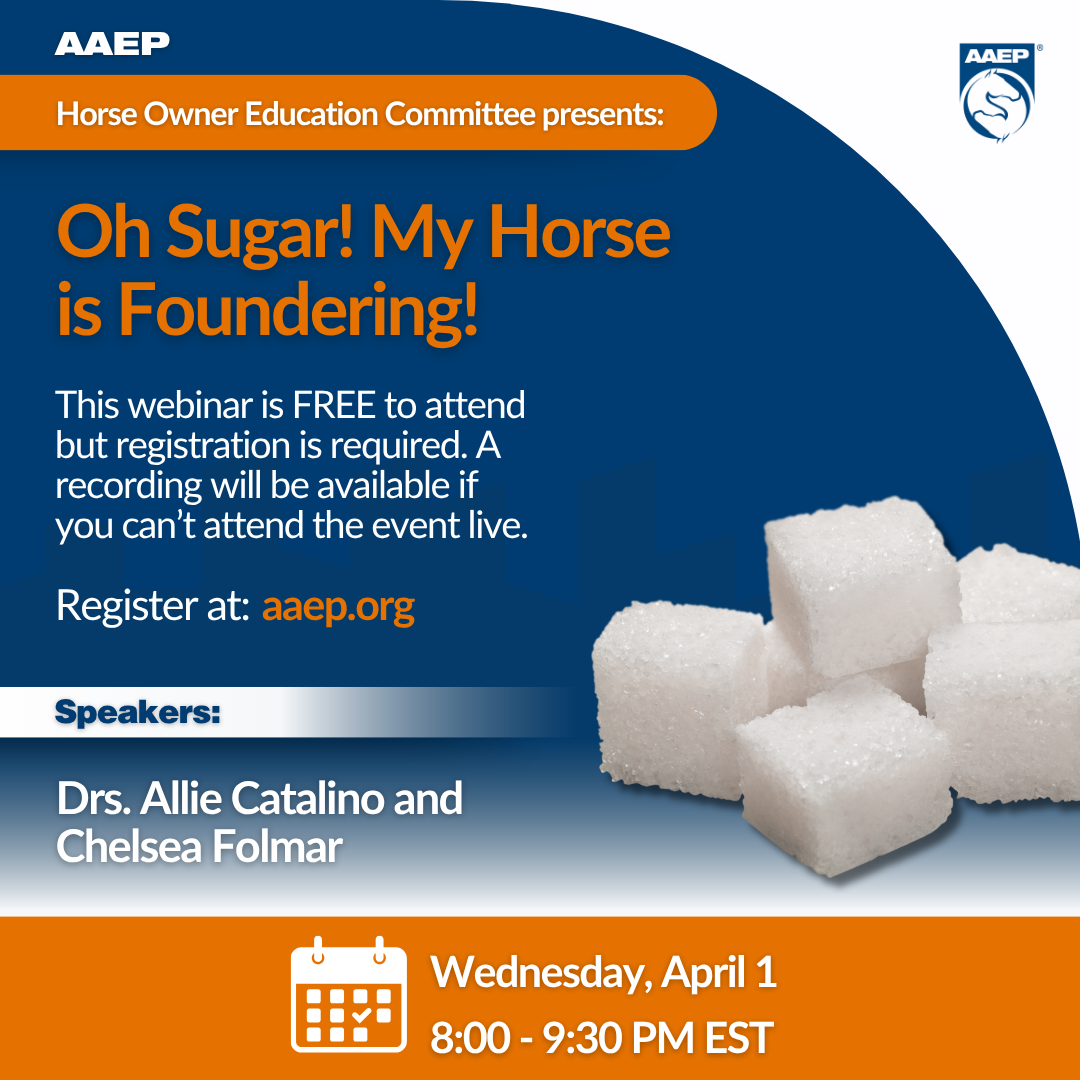
Horse Owner Education Webinar: Oh Sugar! My Horse is Foundering!
Join AAEP-member veterinarians Drs. Allie Catalino and Chelsea Folmar for an in-depth…
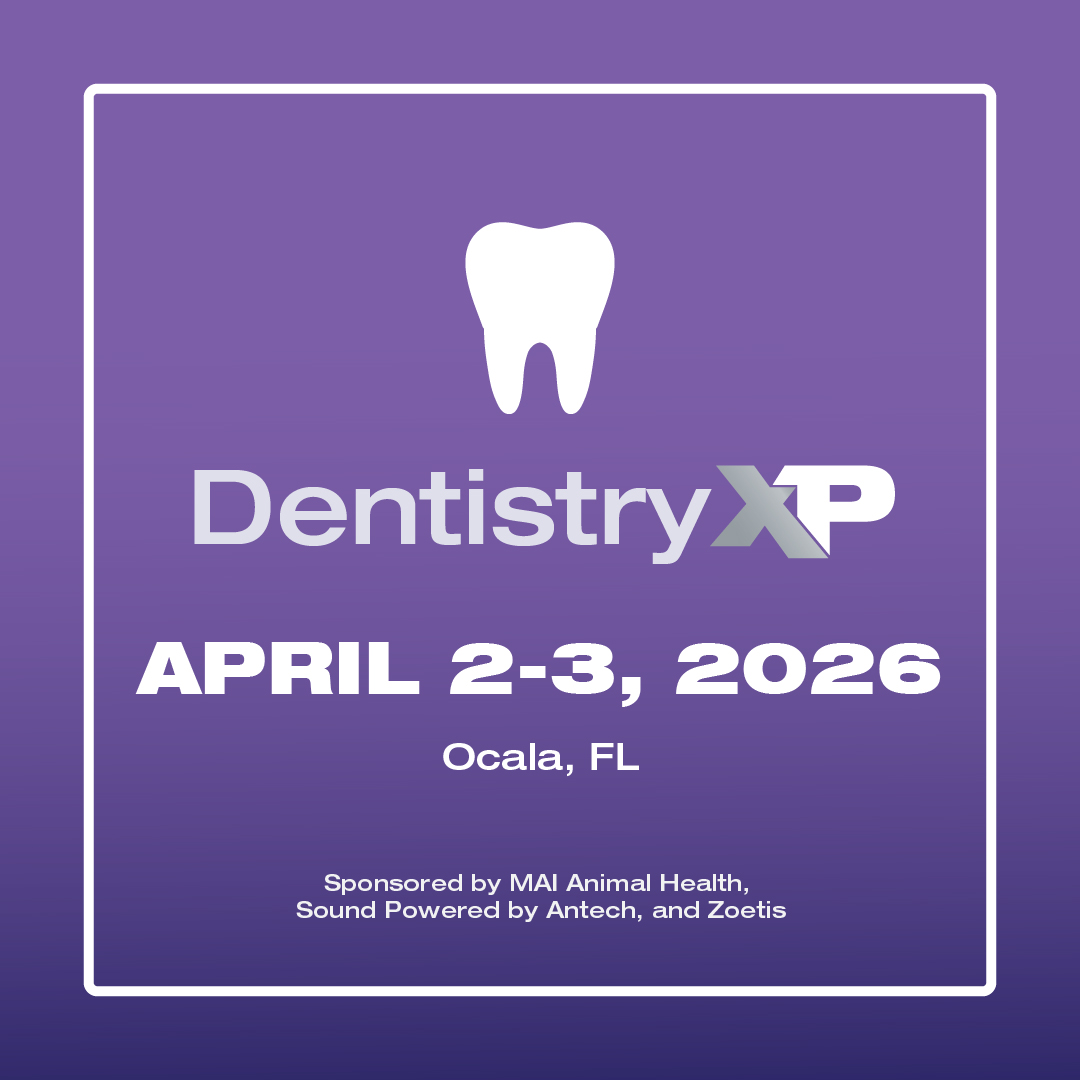
DentistryXP
Part of the wet labs-focused learning series AAEP Experiential—or XP—DentistryXP is designed…

Virtual Wednesday Round Table: Approved or Not? Navigating Devices, Compounding & Compliance
Use of medical devices and compounded preparations occurs in veterinary practice, but…
