
Educational Program
Friday, March 13
Morning Lectures
8:00 - 8:15 a.m.
Introduction - Dr. Macpherson
8:15 - 8:45 a.m.
Neurolocalization – hints and differentials - Dr. Colmer
8:45 - 9:15 a.m.
Problem: Ataxia – differentials, diagnostic plan, treatment - Dr. Polkes
9:15 - 9:45 a.m.
Problem: Cranial nerve deficits (dysphagia, vestibular) – differentials, diagnostic plan, treatment - Dr. Johnson
9:45 - 10:15 a.m.
Problem: Brain dysfunction (encephalopathies) – differentials, diagnostic plan, treatment - Dr. Colmer
10:15 - 10:30 a.m.
Break
10:30 - 11:15 a.m.
Panel/group discussion: Interpreting lab results (instructors lead discussion/provide examples – focus on EPM, Lyme, equine herpesvirus-1 (EHV-1), other infectious diseases). Attendees are invited to submit laboratory results for discussion if desired. - Drs. Johnson, Colmer, Polkes, Nout-Lomas
11:15 - 11:45 a.m.
Neck concerns (cervical vertebral stenotic myelopathy (CVSM), osteoarthritis (OA), foraminal stenosis, equine caudal cervical vertebral malformation (ECVM)) – clinical presentations, diagnosis/imaging, treatment options - Dr. Nout-Lomas
11:45 a.m. - Noon
Zoetis representative
Noon - 1:00 p.m.
Lunch - Alumni Hall, NBC (with 15 minute presentation Care Credit)
Afternoon Hands-On Sessions
1:00-5:30 p.m. with a break from 3:00-3:30 p.m.
Groups will rotate hourly through all 4 labs
Lab 1
Neurological examination (live horses) – Drs. Polkes, Nout-Lomas, Johnson, Ms. Haley Mullen, LVT
Lab 2
Imaging – ultrasound - Drs. Acutt and Colmer
a. Live horses: articular process joints (APJs), atlanto-axial (C1-C2) spinal tap approach, APJ ultrasound (US)-guided injection approach, cervical spinal nerve (CSN) US-guided injection approach
b. Models: C1-C2 spinal tap, APJ injection, CSN perineural injection
Lab 3
Imaging – obtaining useful neck radiographs - Ms. Katie Minacci, LVT
a. Live horses: taking rads – lateral and oblique
b. Assessing diagnostic quality
Lab 4
Rehabilitation techniques for the neurologic horse - Dr. Kara Brown and technician
a. Techniques practiced on live horses
5:30 - 6:00 p.m.
Day One recap
6:30 - 8:00 p.m.
Social Event
Saturday, March 14
Morning Lectures
8:00 - 8:15 a.m.
Brief recap, residual questions - Drs. Johnson and Colmer
8:15 - 8:45 a.m.
Problem: Poor performance and bad behavior (myopathies, neuromuscular disease – lame vs. neurologic) – differentials, diagnostic plan, treatment - Dr. Colmer
8:45 - 9:15 a.m.
Problem: Down horse – differentials, diagnostic plan, treatment - Dr. Polkes
9:15 - 9:45 a.m.
Problem: Hind end and peripheral woes – cauda equina syndrome and neuropathies – differentials, diagnostic plan, treatment - Dr. Johnson
9:45 - 10:15 a.m.
Syndromes: Sidewinders, stringhalt, sleep deprivation, headshaking – what to do, where to learn more - Dr. Nout-Lomas
10:15 - 10:30 a.m.
Break
10:30 - 11:15 a.m.
Panel/group discussion: Case medley – instructors provide cases, attendees are invited to submit videos/case information (in advance)
11:15 - 11:45 a.m.
Panel/group discussion: Ask the experts – attendees to bring cases/questions for discussion (instructors will fill in cases as needed)
a. Equine insurance and neuro cases – how to talk to adjusters, criteria for euthanasia
b. What should I say to a client about riding the neurologic horse? – liability/safety concerns
c. Neuro necropsies – field vs. diagnostic lab approaches: what the practitioner can do
d. ECVM – congenital variation or harbinger of problems
e. Lyme disease – what does it really do?
11:45 a.m. - Noon
Antech Sound representative
Noon - 1:00 p.m.
Lunch
Afternoon Hands-On Sessions
1:00-5:30 p.m. with a break from 3:00-3:30 p.m.
Groups will rotate hourly through all 4 labs
Lab 1
Imaging – interpreting neck radiographs - Dr. Bills
a. Radiographic case studies – attendees can supply their own in advance if desired
b. Anatomical correlations (have bones/models for comparison to rads)
Lab 2
Muscle biopsies [combined with spinal tap lab] – cadaver specimens - Drs. Johnson, Colmer, Brown
a. Bergstrom technique
b. Incisional technique
c. Interpreting results (handouts)
Lab 3
Spinal taps [combined with muscle biopsy lab] – cadaver specimens - Drs. Johnson, Colmer, Brown
a. 3 approaches – atlanto-occipital (AO), C1-C2, lumbosacral (LS)
b. Interpreting results (handouts)
Lab 4
Case studies - Drs. Nout-Lomas, Polkes
a. Video examples of neurologic cases – abnormal horses will be discussed using a step by step approach discussing exam findings, imaging, lab results, interpretation, localization, differentials, diagnostic plan, interpretation, treatment/rehab plan.
5:30 - 6:00 p.m.
Recap and course tie-up
Upcoming Events
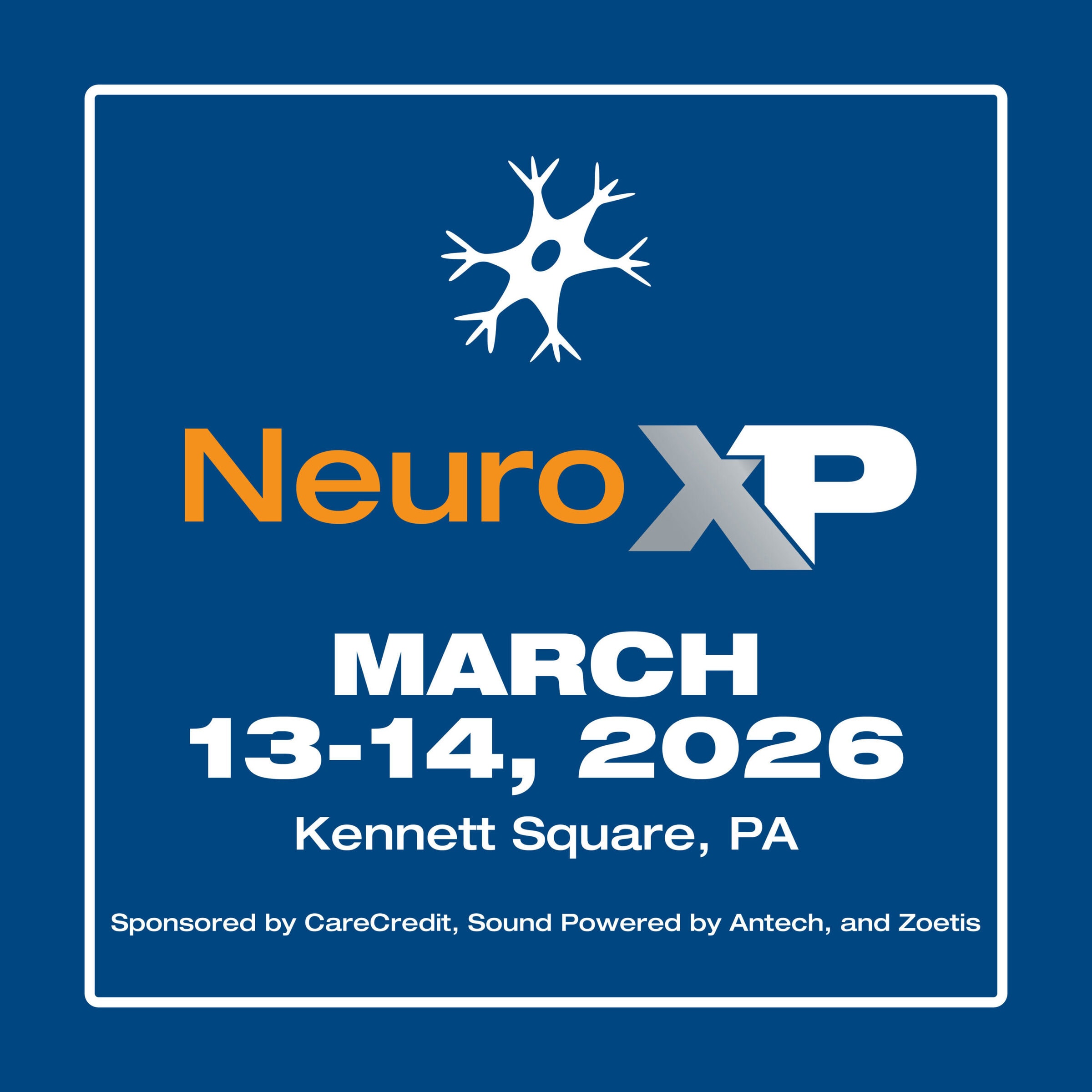
NeuroXP
Diagnosis and treatment of equine neurologic conditions is challenging, with often subtle…
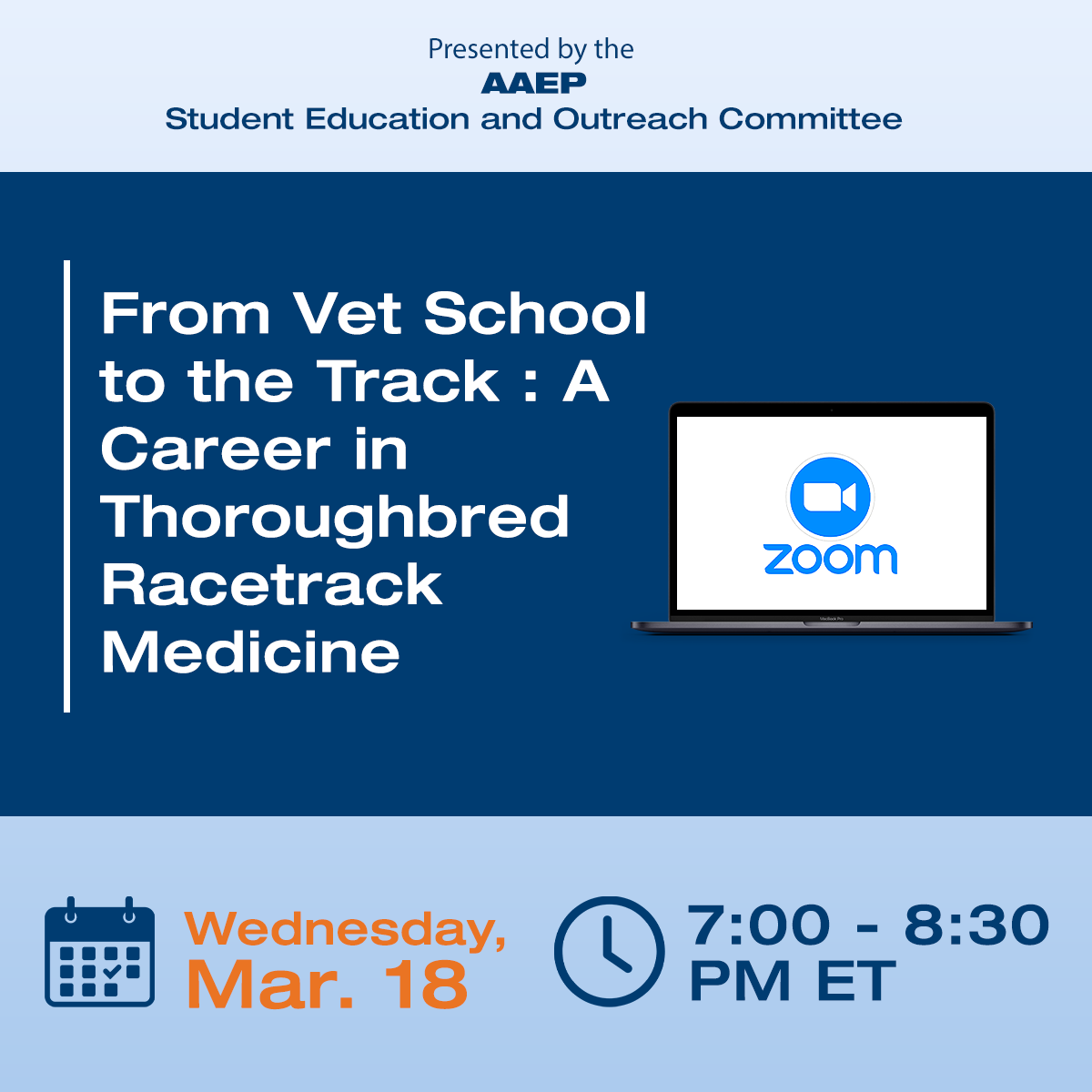
From Vet School to the Track: A Career in Thoroughbred Racetrack Medicine
The AAEP Student Education & Outreach Committee presents: From Vet School to…

Virtual Wednesday Round Table: Exploring the Intersection of Metabolism, Nutrition and Gestation in Mares
Recent research developments provide insight into the effect of pregnancy on equine…
